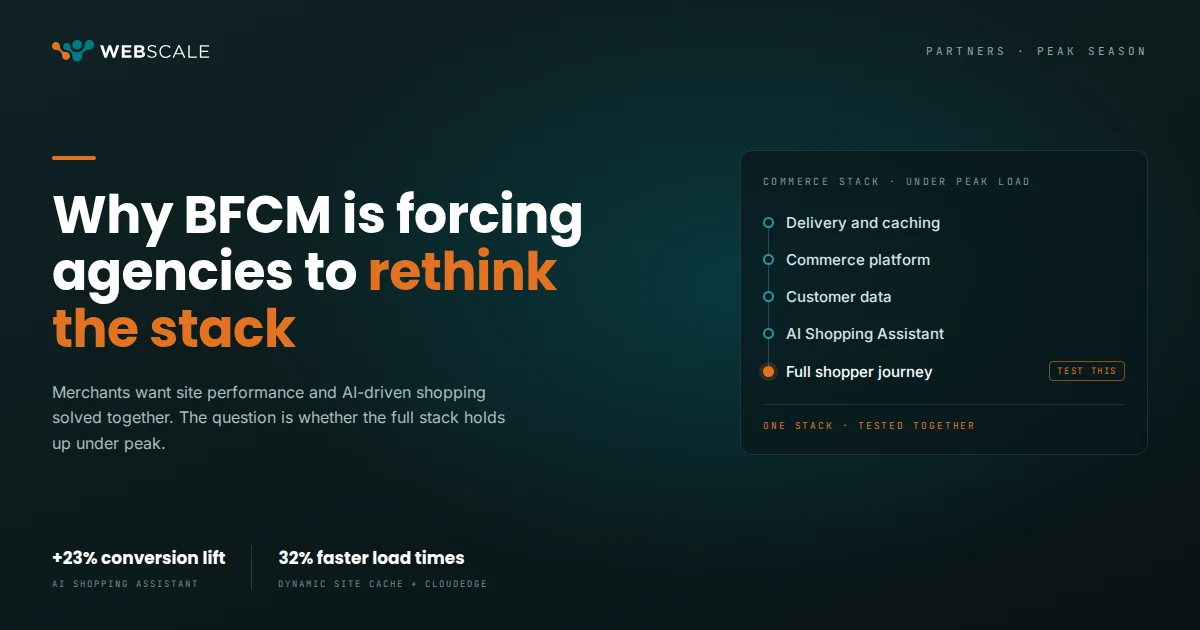
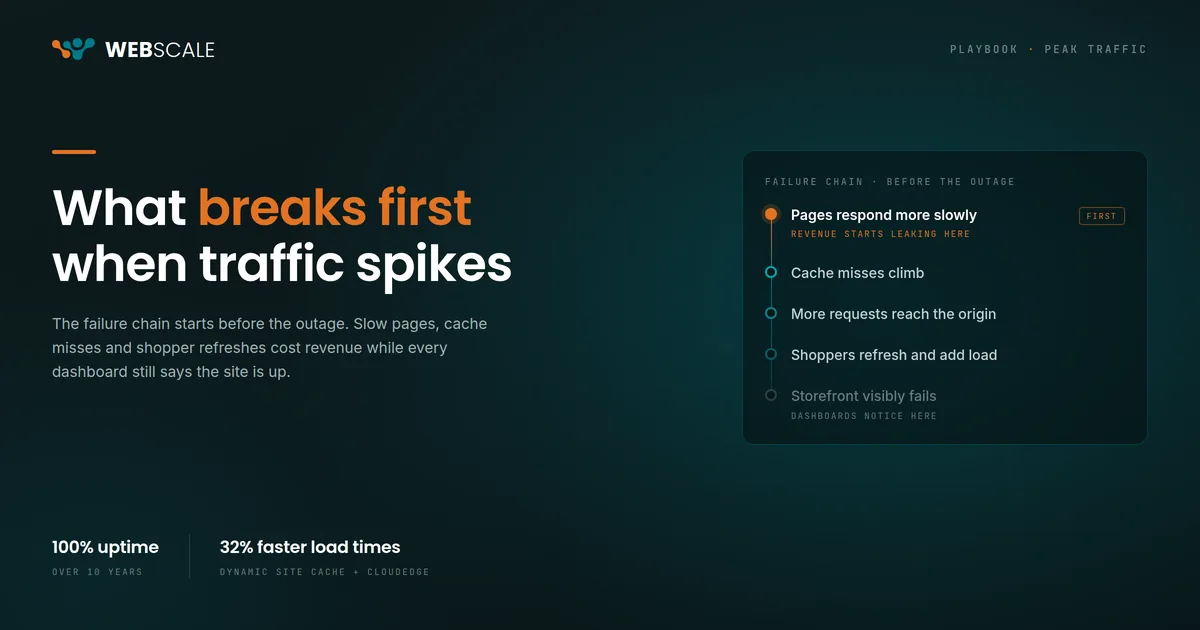
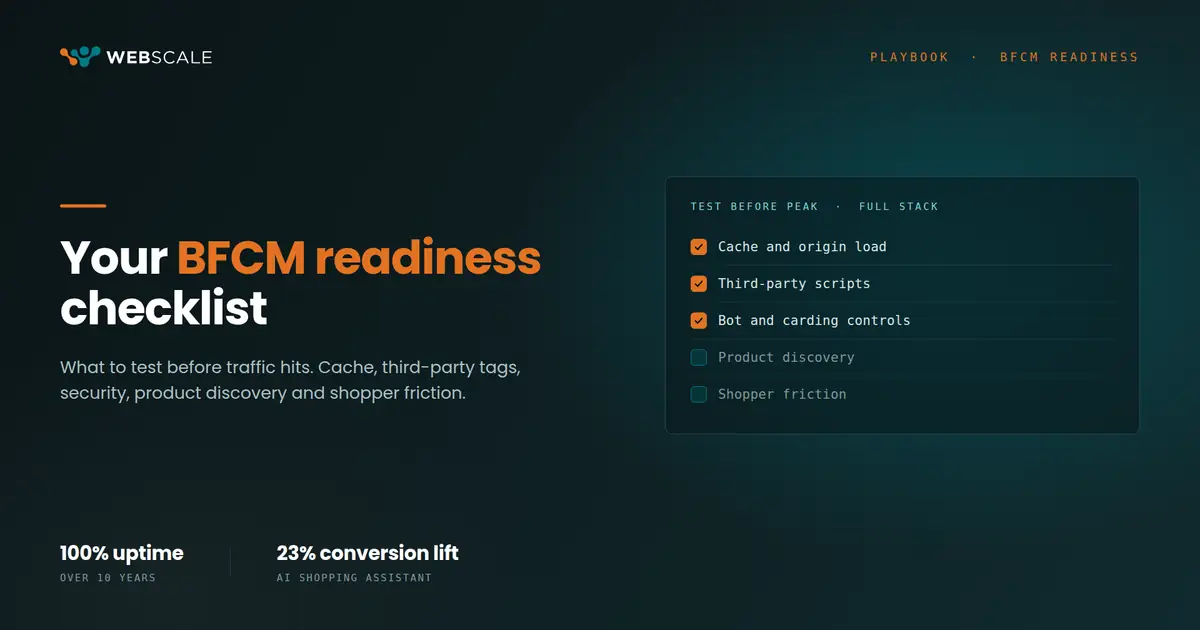
While most people were sleeping off their turkey-induced food comas and spending time with family and friends over the long weekend, Webscale’s support team were hunkered down, laser-focused on one thing, and one thing only – proactively monitoring our customers’ websites to ensure they stayed fast, available and secure from Black Friday to Cyber Monday.
Webscale has supported the e-commerce segment for more than four years. We’ve migrated more than 500 storefronts to the cloud, and this year alone we’ve helped our customers process more than $1Billion in revenue. So, when it comes to the biggest, most important days of the year for them, we invest all of our energy into ensuring they are successful.
And it’s a good thing we do. Cyber Monday alone, blew through predictions with consumer spending hitting a record of $3.39 billion, yet surprisingly, even some of the biggest names in retail like Old Navy, Macy’s and Walmart, all experienced availability issues due to traffic.
All our customers ran large successful promotions this year. Leading skincare brand Murad, discounted every purchase by 30%. Slickwraps, who sell premium skins for consumer devices, ran (and is still running) a 50% off week, as well as giving away a car and a vacation! Winter clothing specialist Winterkids, discounted their products by 70%. And beauty product merchandiser, Ebonyline, knocked a whopping 80% of their prices.
Many experienced 300-400% increases in traffic, and despite receiving hundreds of requests per second, they saw consistent, blazing fast performance, and most importantly, had zero downtime, ensuring their conversion rates and checkouts stayed high.
Fortunately for our hard-working support team, the Webscale converged application delivery platform does most of the heavy lifting. Using predictive analytics and big data to constantly monitor traffic, Webscale predicts changes in user demand, and proactively scales out/in application infrastructure in real-time.
Since 8am MST Friday, Webscale scale out (and back in) more than 5000 times, ensuring that despite massive surges in user traffic, our customers’ sites stayed live and their page load times stayed consistently fast.
Pretty awesome right? Did your e-commerce site do as well this holiday weekend? If it didn’t, then maybe we can help. Contact us at info@webscalenetworks.com if you’d like to learn more.